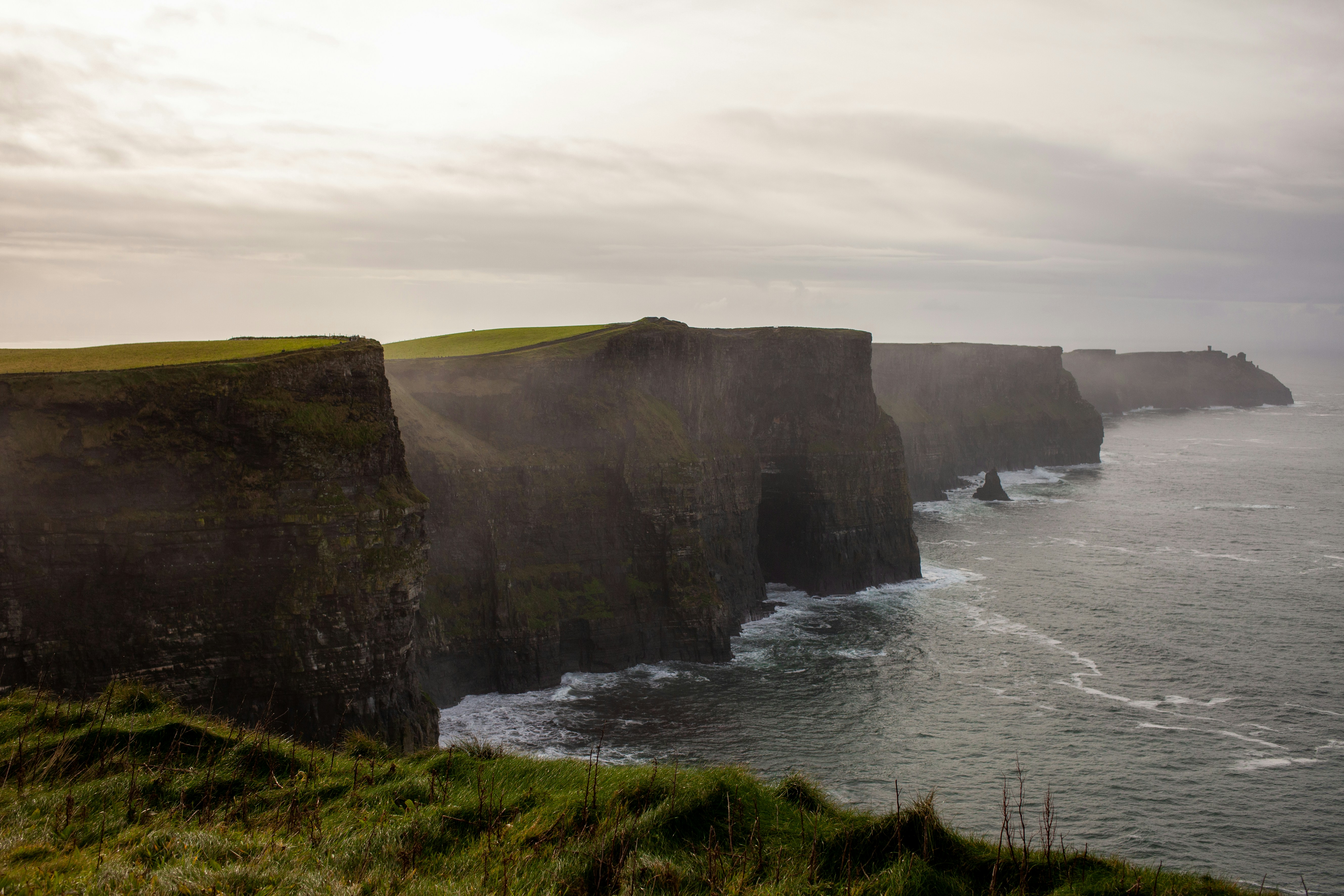

The Cliffs of Moher are magnificent – standing 700 feet above the Atlantic, they’ve witnessed over 300 million years of history. But what truly moves me after decades of heritage research is the human story written into this landscape. Every time I guide families here, especially those tracing their Irish roots, I see how powerfully this place connects people to their ancestors.
The cliffs themselves are named after an old fort called Mothar, demolished during the Napoleonic Wars. But the real stories lie in the surrounding townlands. This region of Clare sent more emigrants to America per capita than almost anywhere else in Ireland during the Great Famine. When you stand at O’Brien’s Tower, it will feel like as though you are looking at last view of Ireland that thousands of your ancestors saw before sailing west.
What most visitors don’t realize is that the Cliffs are surrounded by some of Ireland’s richest genealogical resources. The nearby villages of Liscannor, Doolin, and Ennistimon hold parish records, graveyards, and local history that can unlock your family story. The limestone landscape itself tells tales – from ancient ring forts to famine villages, each stone has witnessed centuries of Irish life.
Before visiting the Cliffs, stop at the Clare Heritage Centre in Corofin. They hold records for the entire county and can often trace families back to the 1700s. Armed with even basic information about your Irish ancestors, the landscape suddenly becomes personal. That ruined cottage near Doolin? It might have housed your great-great-grandparents. The holy well at Liscannor? Your ancestors likely prayed there before emigrating.
The Burren, just north of the Cliffs, adds another layer to your heritage journey. This unique landscape of exposed limestone holds over 5,000 years of human history – from Neolithic tombs to medieval churches. Many Clare families have connections to specific townlands here, and local historians can often point you to the exact farms your ancestors worked.
My advice? Don’t just photograph the Cliffs – understand them as your ancestors did. They weren’t just a tourist attraction but a landmark for fishermen, a source of seabirds’ eggs for food, and the edge of the known world. When Atlantic storms hit these cliffs, locals still use the same Irish phrases their ancestors did to describe the wild weather.
Padraig’s Recommendations:
- Clare Heritage Centre, Corofin: Professional genealogy research with access to church records, civil registrations, and Griffith’s Valuation – booking essential
- Kilfenora Cathedral & Graveyard: Medieval site with High Crosses and readable headstones from the 1700s
- Local Heritage Walks from Doolin: Small group tours focusing on emigration stories, famine history, and archaeological sites – advance booking recommended
For those traveling from Dublin who want to combine the Cliffs experience with genealogical exploration, a day tour can provide an excellent foundation for your heritage journey. The coach route from Dublin passes through County Clare’s historic heartland, and with a knowledgeable guide pointing out significant sites along the Wild Atlantic Way, you’ll begin understanding the landscape your ancestors knew.
Many visitors use these tours as reconnaissance – noting villages and graveyards to return to for deeper research. Read more about Dublin to Cliffs of Moher tours.